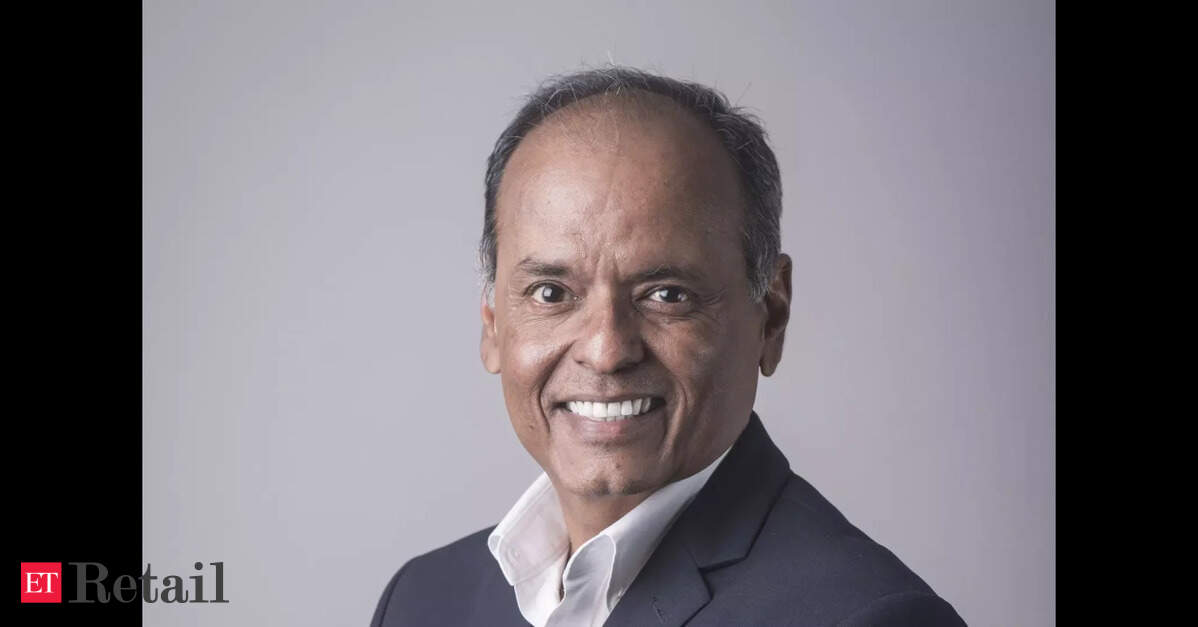
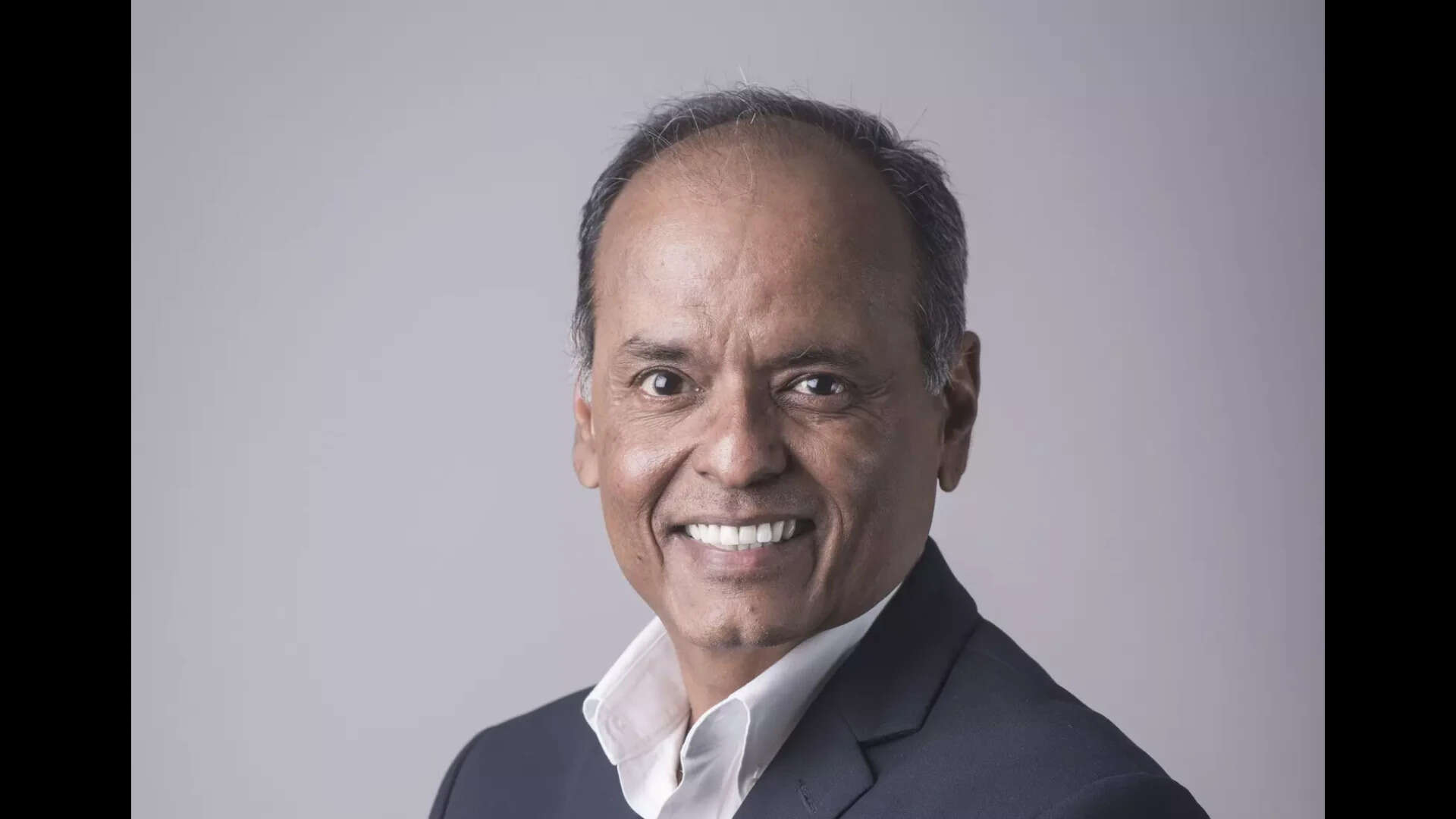
Footwear major Metro Brands is maintaining a steady long-term growth trajectory, guiding for a 15 per cent CAGR, backed by store expansion, portfolio diversification, and a strong consumer-first strategy, Nissan Joseph, CEO, Metro Brands, told ETRetail.
“Over the long term, we guide to 15 per cent CAGR growth, and we are already at 15 per cent right now,” said Joseph.
The company recently crossed the 1,000-store milestone, a scale achieved through a fully company-owned model.
“All of our stores are company-owned. We don’t franchise because it allows us to control service quality, inventory, and overall consumer experience,” he said.
Metro Brands currently operates across 10 brands, including Metro, Mochi, Walkway, Clarks, and Crocs, with a strategy to continuously onboard new global labels based on consumer demand.
“If consumers want a brand that’s not in India, we will make every effort to bring it here. It’s a consumer-backward strategy,” he noted.
The retailer continues to expand its physical footprint with a focus on profitability.
“We don’t set aggressive store targets. The goal is to open profitable stores, and we will continue adding stores across formats this fiscal year as well,” Joseph said.
Currently, 55 per cent of its stores are located on high streets, a mix expected to remain stable even as mall supply increases.
“There’s more opportunity in high streets today, but with an explosion of new malls expected over the next 5–7 years, we will leverage both channels,” he added.
“Metro stores are typically around 1,500 sq. ft., Crocs at 700 sq. ft. (going up to 1,000 sq. ft. for premium formats), MetroActive at 3,000 sq. ft., and Foot Locker around 4,500 sq. ft.,” Joseph explained.
“Crocs, in particular, delivers very strong per square foot productivity,” he further added.
Growth is driven by a balanced mix of levers. Any double-digit growth you see, roughly one-third comes from same-store sales, one-third from new stores, and one-third from the annualisation of stores opened in previous years.
Currently, online contributes about 14 per cent of the total business, including marketplaces and D2C, and it’s growing faster than offline on a like-to-like basis.
“However, e-commerce in India is still largely discount-led and also serves as a channel for inventory liquidation,” he asserted.
On the demand side, macro trends continue to favour the category. “Casualisation is here to stay. Consumers are increasingly choosing footwear that transitions seamlessly from work to leisure, and that’s driving growth across categories,” Joseph noted.
Metro Brands has also entered quick commerce, currently operational in four major cities. “We will continue to scale this with partners we trust,” he added.