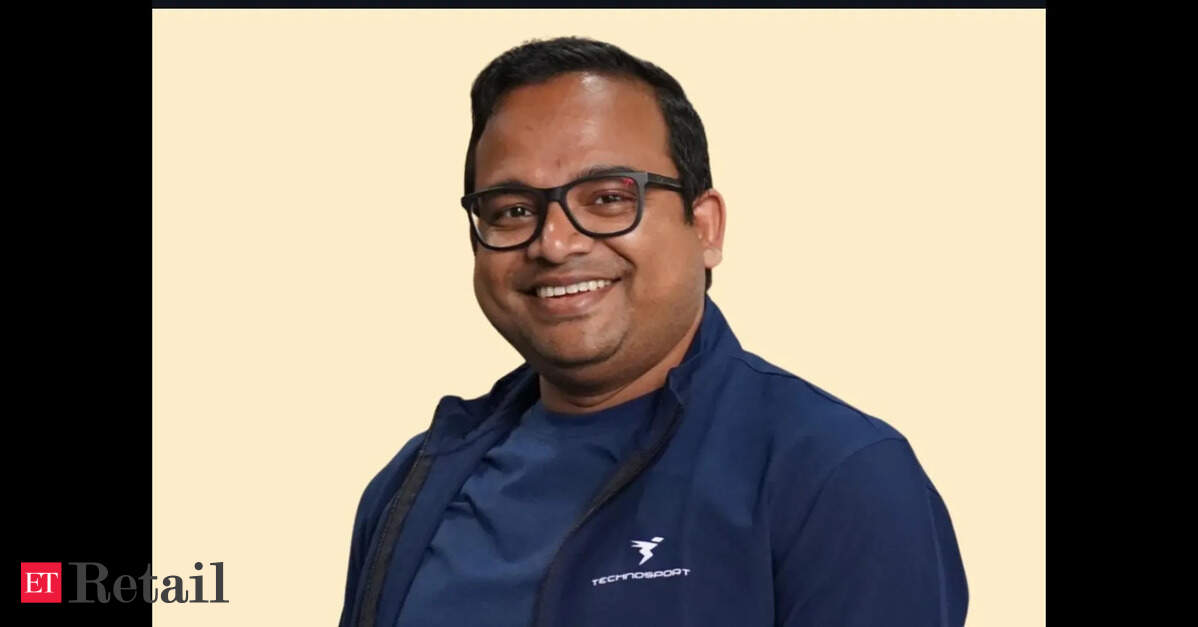
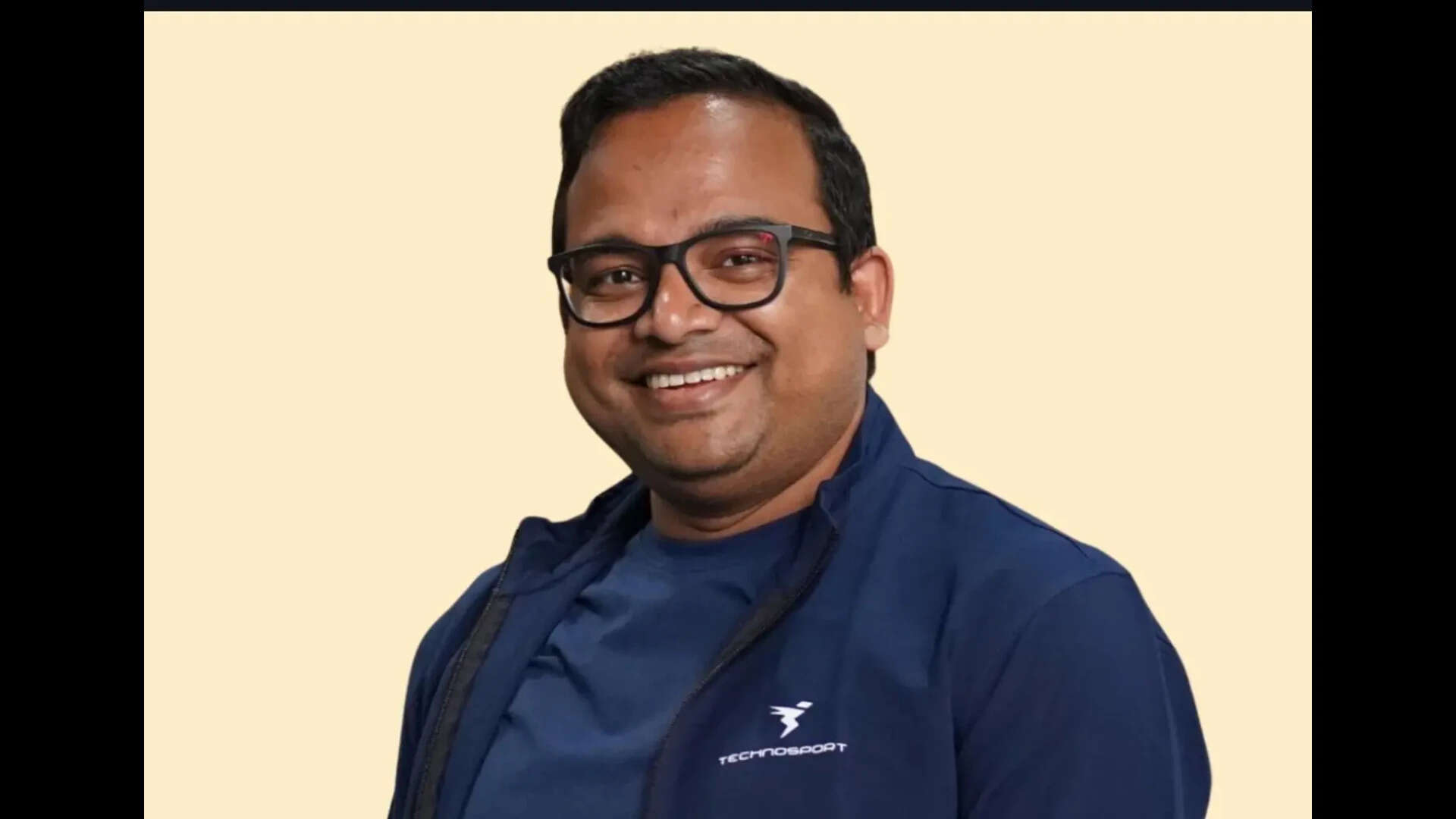
Made in India activewear brand Technosport is targeting Rs 1,000 crore in revenue next fiscal, backed by aggressive offline expansion, strong GT penetration, and vertically integrated manufacturing, Puspen Maity, CEO, Technosports, told ETRetail.
“We closed FY25 at around Rs 400 crore, FY26 will be Rs 600 crore, and next year the target is to cross ₹1,000 crore. We are growing at 50–60 per cent year-on-year and expect even higher growth going forward. Our ambition is to build a global ‘Made in India’ activewear brand,” he asserted.
The brand is scaling its exclusive retail footprint rapidly.
“We currently have 50 EBOs and plan to add 78 more next year, taking the total to around 136 stores. All stores are company-owned and company-operated as we want full control over consumer experience,” he said.
Store sizes range between 2,000-2,500 sq. ft., with flagship stores going up to 4,000 sq. ft.
“Around 70–75 per cent of our stores are on high streets and 20–25 per cent in malls, with capex at Rs 2,500 per sq. ft.,” he added.
Technosport is funding its expansion through internal accruals and debt.
“We are a profitable company with mid-double-digit EBITDA margins and strong cash flows. We don’t have plans to raise equity at this stage,” he said.
Despite the offline push, general trade remains the backbone and plays a critical role, especially in Tier 2, Tier 3, and rural markets.
The brand works with 40 distributors and has a presence across 7,000 retailers, with plans to scale to 10,000 outlets.
“We sell around 3 million garments every month. For this kind of scale, GT is indispensable, and we see no signs of saturation,” he noted.
“Wherever we open EBOs, we see GT sales also going up. It’s a complementary ecosystem,” he further added.
EBOs and e-commerce/marketplaces are each expected to contribute more than 10 per cent each going forward.
Apart from this, Technosport is also investing in retailer engagement through its ‘Blue Origin Program‘.
“We support retailers with performance marketing, loyalty benefits, and local influencer campaigns, effectively building direct brand connect,” he said.
On the product side, the brand operates across men’s, women’s, and kids’ activewear.
“Men contribute 80–85 per cent of the business, but women and kids are growing faster, especially in modern trade,” he said.
“Bottomwear is currently outpacing topwear in growth,” he further added.
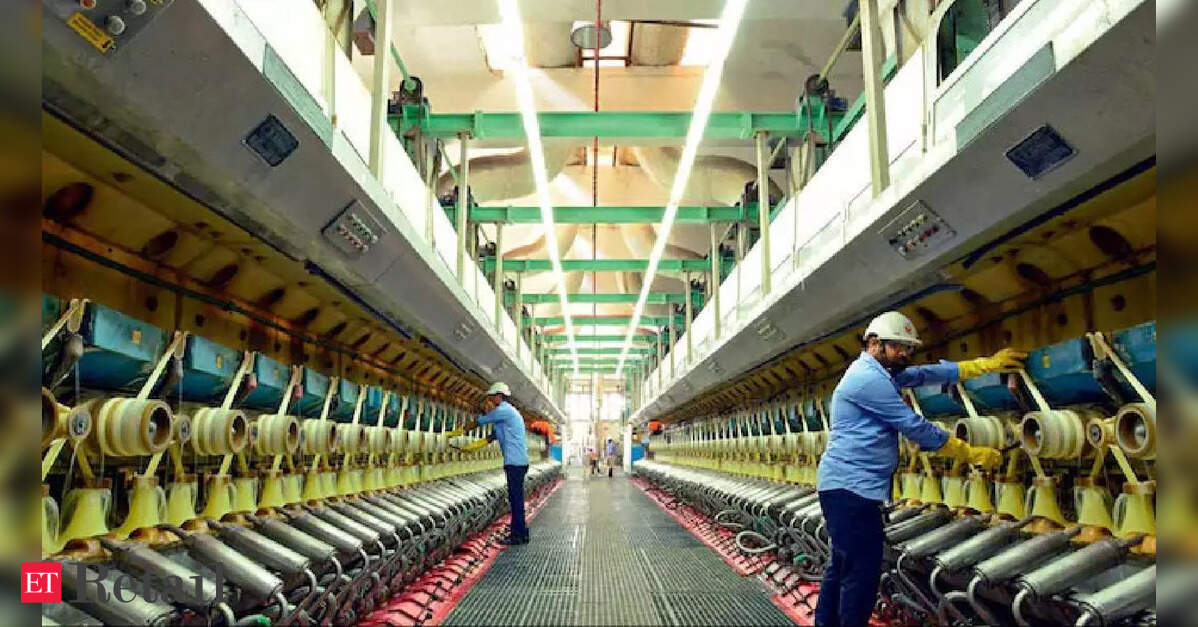
The brand produces about 1 lakh garments per day, and 90 per cent of its activewear fabric is made in-house. It currently produces 25 tons of fabric daily, which will scale to 40 tons by May 2026 and 50 tons by March 2027.
“We are a vertically integrated brand. This gives us strong control over quality, cost, and speed,” he added.
International expansion is also on the horizon, with a focus on GCC countries like Dubai and Saudi Arabia.
“Currently, exports are in single digits, but we aim to grow this 3–4x. We are already selling 10,000 units per month there, which can scale to 50,000–60,000 units once we establish our own supply chain,” he emphasized.
While the brand is exploring categories like footwear, the near-term focus remains on core segments.
“There is still significant headroom within existing categories, so we are prioritizing depth over diversification,” Maity said.